



By Wang Zuo-ming, CNEWS Reporter / Taipei
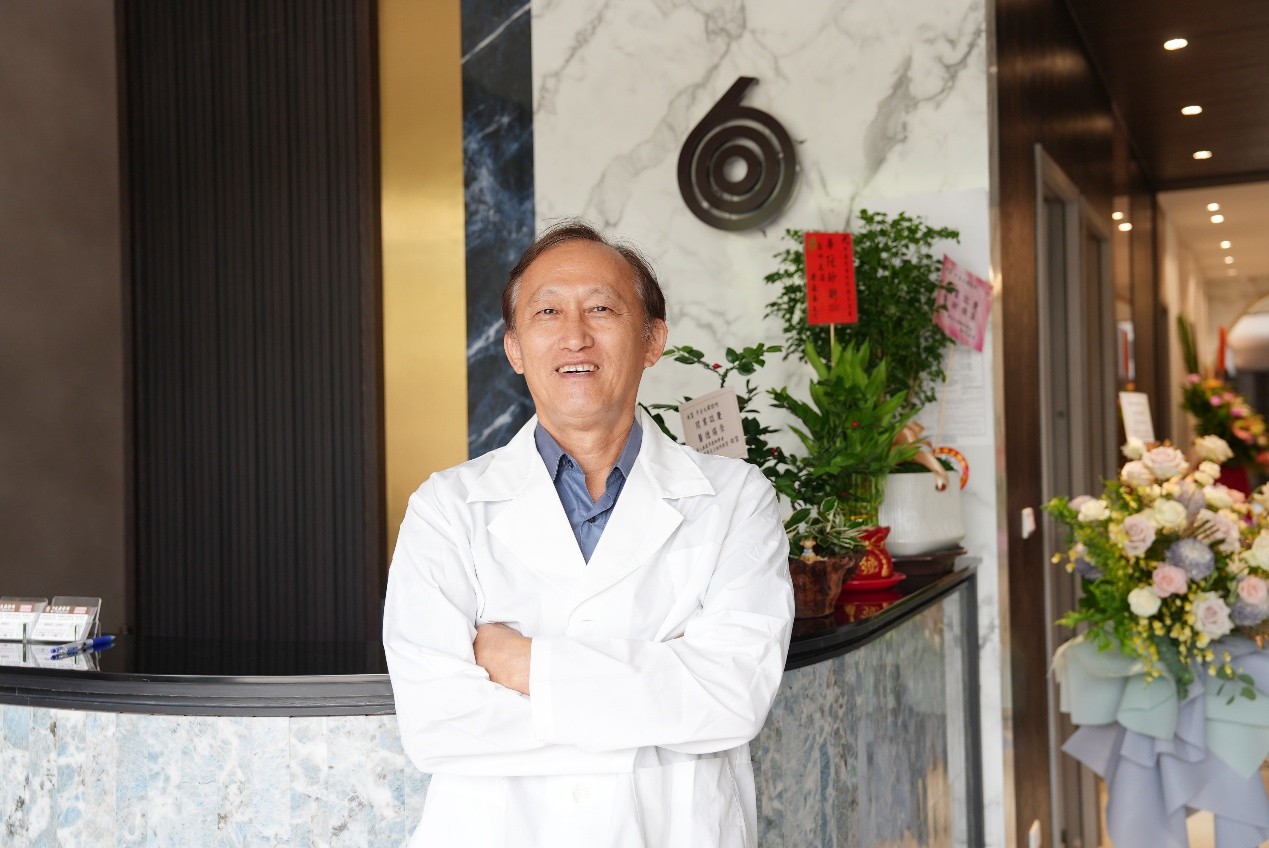
For a long time, the concept of the “Golden 3 Hours” has dominated stroke treatment. While it is true that patients who receive thrombolytic therapy immediately upon arrival at a hospital can significantly reduce brain damage, does missing this window mean there is no hope? Dr. Wang Hsin-min, Superintendent of Liushun Clinic, states that clinical experience reveals another “Golden Recovery Period” after a stroke. By combining appropriate medical treatments with rehabilitation, patients still have the opportunity to regain their quality of life.
Bridging the Gap in Post-Stroke Care
Dr. Wang points out that the primary responsibility of the hospital system is emergency rescue. Once a patient survives the acute phase, treatment is typically handed over to rehabilitation specialists. However, the brain’s neuroplasticity remains high 3 to 6 months post-stroke. If targeted treatments are provided during this stage, patient progress often exceeds expectations. In recent years, Liushun Clinic has witnessed numerous “miracles,” including patients transitioning from wheelchairs to walking and others being freed from nasogastric tubes to enjoy food once again.
He emphasizes that Liushun Clinic’s treatments are not meant to replace hospital emergency care but to “fill in the blanks.” Introducing professional treatments before or alongside traditional rehabilitation often accelerates recovery, providing patients with more comprehensive care.
A More Precise Clinical Assessment
Regarding clinical evaluations, Dr. Wang has introduced a more nuanced approach. While traditional tools like the NIHSS (National Institutes of Health Stroke Scale) or the Barthel Index are useful references, they often fail to reflect the full extent of a patient’s daily struggles. For example, insomnia caused by “hand numbness” is rarely captured by these scales.
Consequently, Liushun Clinic has established a more detailed recording system. It quantifies numbness from the shoulder, elbow, and wrist down to the fingers, and tracks sensations of heat, cold, pressure, and pain. This granular data helps patients clearly see their own incremental improvements.
From Personal Regret to Professional Mission
Speaking on his motivation, Dr. Wang revealed that both of his parents suffered strokes and missed out on treatment opportunities because today’s medical methods were not yet available. This personal loss fueled his firm belief that “treatment must not end with emergency rescue.” He is dedicated to giving patients an alternative path to recovery.
“When one person suffers a stroke, the whole family suffers the chaos,” Dr. Wang remarked.
A stroke does not just afflict the patient; it places a heavy burden on the entire family. Dr. Wang shared how deeply moved he is whenever he sees a patient, bedridden for years, return to their fields to farm, or an elderly patient finally sit at the dining table after long-term intubation. He stressed that breaking the “Golden 3 Hours” myth is not about refuting medical science, but about making treatment more complete—because the value of life lies not just in its duration, but in dignity and quality of life.
Photo Credit: CNEWS Archive Photo
《More CNEWS news reports》
【Please indicate the source when reprinting the article】